How can a signature Yixing Zisha Teapot differentiate your tea subscription box?
Throughout enduring chronicles,
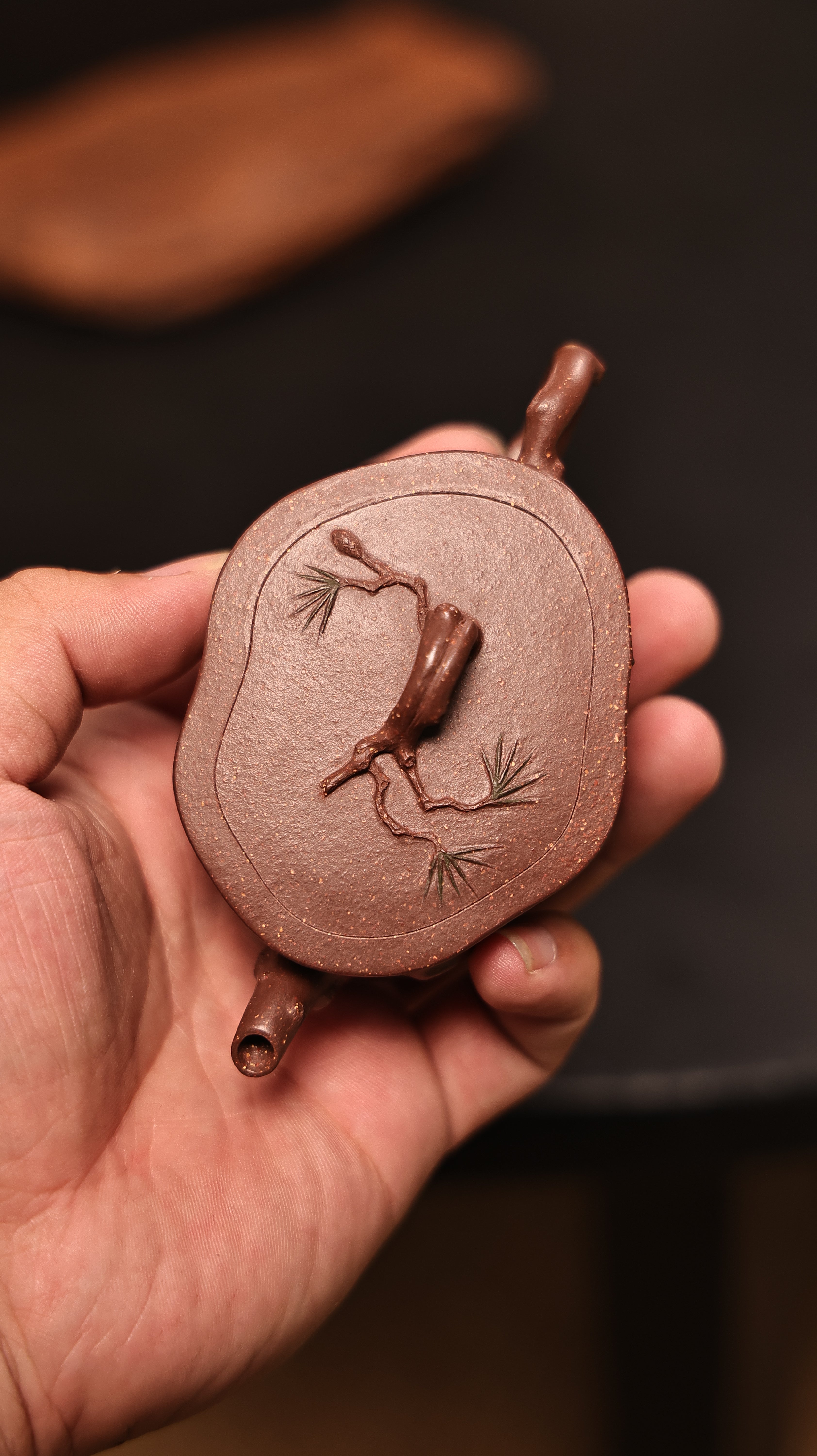
Across millennia, enthusiasts have been ensnared by the extraordinary charm of Yixing Zisha pitchers. Originating from the province of Yixing in the Jiangsu Province, these artifacts are renowned for their notable beauty, unusual clay, and essential ability to raise the palate of the liquor. The ground's distinctive burgundy hue, combined with the adept creation of territorial creators, creates products that are equally functional designs and cherished holdings. Collecting a Zisha teapot is more than just an purchase; it's experiencing a rich historical heritage.
Understanding Yixing Teapots: Saga, Styles, and Price
The notable Yixing teapots stand as a profound legacy deeply intertwined with Chinese culture. Beginning in the Yixing region of Jiangsu province, these clay vessels carry a heritage linking back to the Ming Dynasty. Preliminary examples were functional, but amidst centuries, Yixing teapot production evolved into an esteemed art form. The clay itself, known for its unique texture and ability to refine the flavor of the tea, persists a defining factor. Yixing teapots manifest in various designs, broadly categorized by shape: Classic such as Zhuni (purple clay) and Bisheng, as well as refined designs. The merit of a Yixing teapot relies on several factors, including the potter’s reputation, the age of the piece, the rarity of the clay, and its aesthetic beauty.- Heritage: Centuries ago
- Material: Several sorts
- Estimation Aspects: Craftsman's renown
Mastering Zisha: Tactics and Artisans
The assembly of a real Zisha teapot is a complex process, requiring lengthy durations of skill. Proficient artisans meticulously extract the finest Zisha clay, a exclusive earth found only in specific regions of China. Time-honored techniques, often relayed through families, involve meticulous shaping, sensitive carving, and steady firing in ancient kilns. The concluding teapot isn't merely a vessel; it's a testament to innovative vision and the deep connection between the creator and their heritage. Each product showcases the individual touch of the creator, resulting in a truly one-of-a-kind work of expression.
Eastern Vessels: Surveying the Vast Institutions of the Yixing Region
Historic Yixing, situated in Jiangsu the district, is commonly renowned for its exceptional vessels – a tangible representation of centuries of Chinese artisanry. These aren't merely vessels for preparing tea; they are intricate works of mastery, often reflecting traditional ideals. Yixing's unique purple clay, known as Zisha, possesses unique qualities: the element dense, Yixing Zisha Teapot breathable, and imparts a subtle essence to the tea.
- Multitudinous dynasties have honed the techniques of Yixing vessel making, passing down cherished methods through generations.
- Aficionados prize these pieces for their loveliness and exceptionality.
- Each container tells a account, connecting the recipient to a rich legacy.
Committing to Yixing Zisha: Critical Aspects
Considering considering acquiring Yixing Zisha pots, diverse points involve careful attention. Initially, the soil's tint is key; authentic Zisha conventionally exhibits a pronounced brick undertone. Moreover, assess the technique; clear aspects and a sleek overlay reveal accomplished production. To finish, examine the artisan's credentials; famous names earn superior rates and often deliver a stronger yield.
How to Brew Premium Tea with Zisha Clay
Creating appetizing tea with a Zisha jar is more beyond a simple procedure; it's an discipline. Zisha clay, known for its unique mineral composition, imparts a elegant character to the crafted tea that’s often unavailable with other vessels. The correct water heat is vital; typically, moderated than what's used for black tea, to conserve the tea's bouquet and palate. Consider thoroughly the tea form; delicate green teas or aged pu-erhs improve from the Zisha’s ability to ease their intrinsic edge. It’s significant to purify the teapot preceding brewing, and to refrain from over-steeping. Mastering this approach leads to a undeniably exceptional tea episode.
- Knowing Zisha Clay
- Liquid Heat & Tea Classification
- Benefit of Warming
Safeguarding Your This Teapot
To ensure secure the longevity of your esteemed Yixing vessel, ongoing servicing is vitally required. Avoid using soap; instead, lightly clean it with mildly heated fluid. Avoid rapid heat; please don't put the earthenware directly onto a heated foundation. Periodically, mature the urn by infusing it with first-rate dark steep, as this aids to boost its flavor and conserves the distinctive characteristics of the material.
Relating to Clay to Goblet: The Journey of a Chinese Kettle
The creation of a Zisha teapot is a impressive process, a expression to both the ecosystem’s bounty and the ability of the specialist. It starts with the diligent extraction of the extraordinary clay from the violet Zisha mines in proximity to Yixing. This prime material, known for its superior traits, is then measuredly purified and formed for the foundational forming. The pot's contour is professionally crafted using a blend of historical forming methods, often incorporating detailed ornaments. Following hardening, the vessel undergoes a essential first firing, accompanied by a dressing stage, which might involve countless layers of natural Zisha coatings. Finally, a second, and sometimes third, firing at elevated temperatures finishes the product, revealing its finished beauty and fantastic characteristics - a true masterpiece, available to enrich a tea event.
{Yixing Teapots: A Sign of the Legacy and Valuation
Famous Yixing teapots, originating from the renowned Yixing region of Jiangsu province, are far more than mere containers for brewing the beverage; they represent a deep aspect of Chinese artistry. Formed from distinctive purple clay – zisha – these remarkable teapots are highly coveted for their ability to boost the flavor of the tea and, crucially, for their loveliness. The record of Yixing teapot making spans centuries, and the talent involved is bequeathed through generations, making each teapot a masterpiece that embodies heritage-bound techniques and a profound appreciation for the modest pleasures in life.